The Faculty of Information Technology at the University Mediterranean has recently implemented a series of activities aimed at strengthening the innovation capacities of young professionals and creating a sustainable link between academia and industry. The program was designed as a new approach to learning, based on idea development, practical experimentation, and direct collaboration with ICT companies, encouraging students to think entrepreneurially and create solutions with real‑world application.
The program began with a two‑day soft‑skills workshop, during which students learned how to shape and present their ideas, build a professional identity, and develop communication skills essential for the modern labour market. This segment laid the foundation for the rest of the program: students were encouraged to transform their ideas into concrete concepts and prototypes.
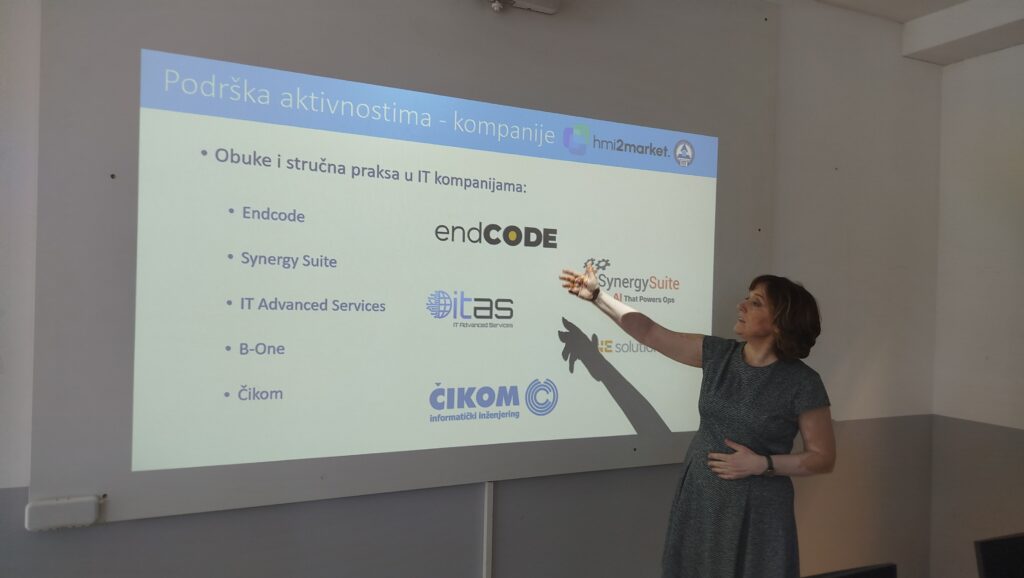
This was followed by five intensive technical trainings in software development, artificial intelligence, and cybersecurity. The trainings were conceived as creative laboratories in which students, supported by mentors from renowned ICT companies, developed their own project ideas. The focus was not on reproducing knowledge, but on creating – fully aligned with the HMI2Market approach.
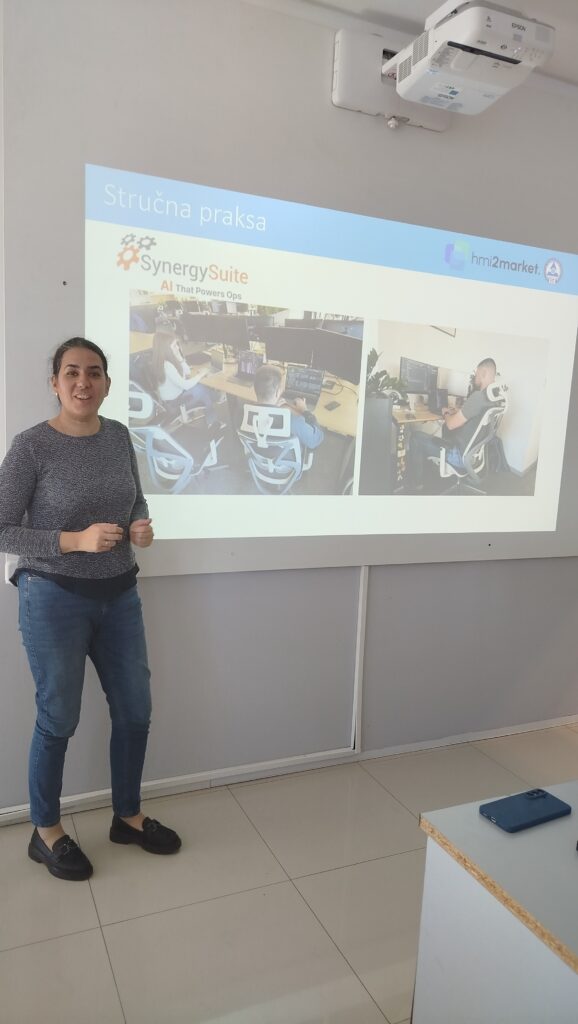
Based on their performance, the 20 most successful participants continued working through mentored internships in partner companies. The internships were structured so that students, independently or in small teams, worked on original project tasks, tested their ideas in real environments, and learned through iterations, feedback, and collaboration with experienced engineers. This model reflects the core of the HMI2Market philosophy: idea → prototype → testing → improvement.
Through the trainings and internships, a total of eleven innovative projects were developed, covering the fields of information security, AI, web development, backend systems, containerization, DevOps, and serverless technologies. Each project represents the creativity of the students and their ability to identify a problem, design a solution, and build a functional prototype.
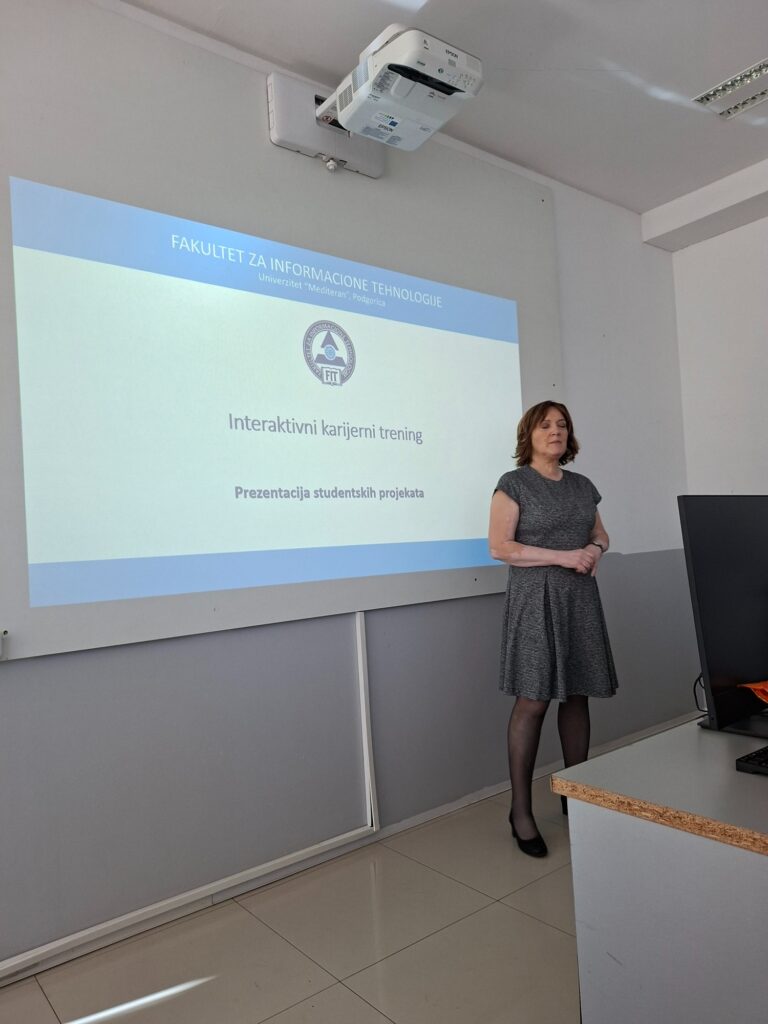
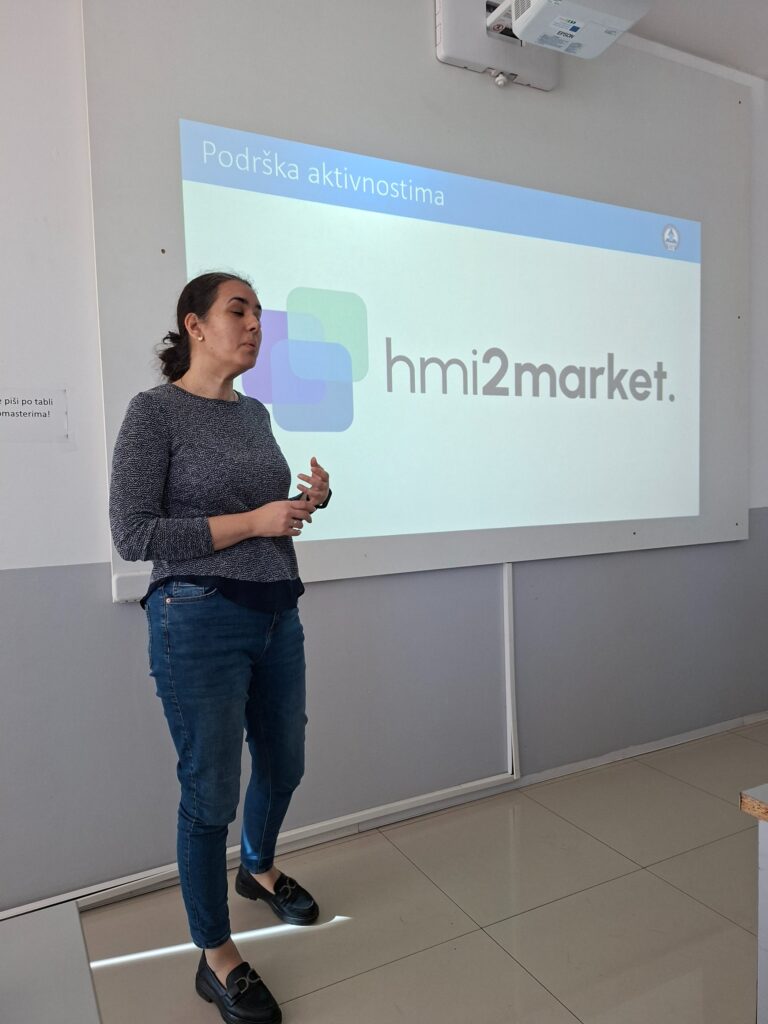
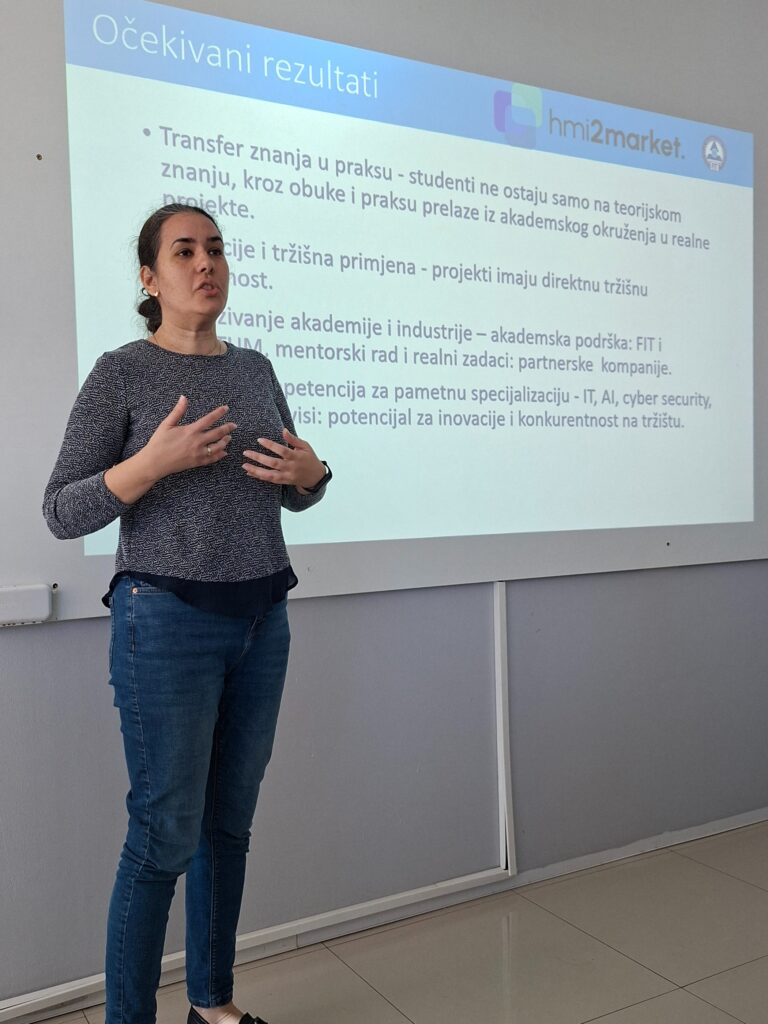
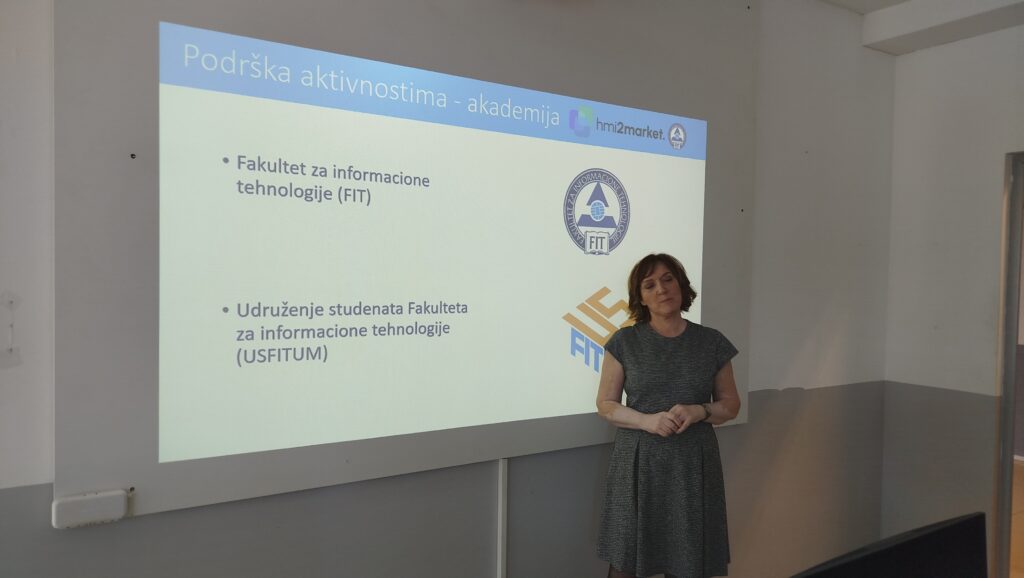
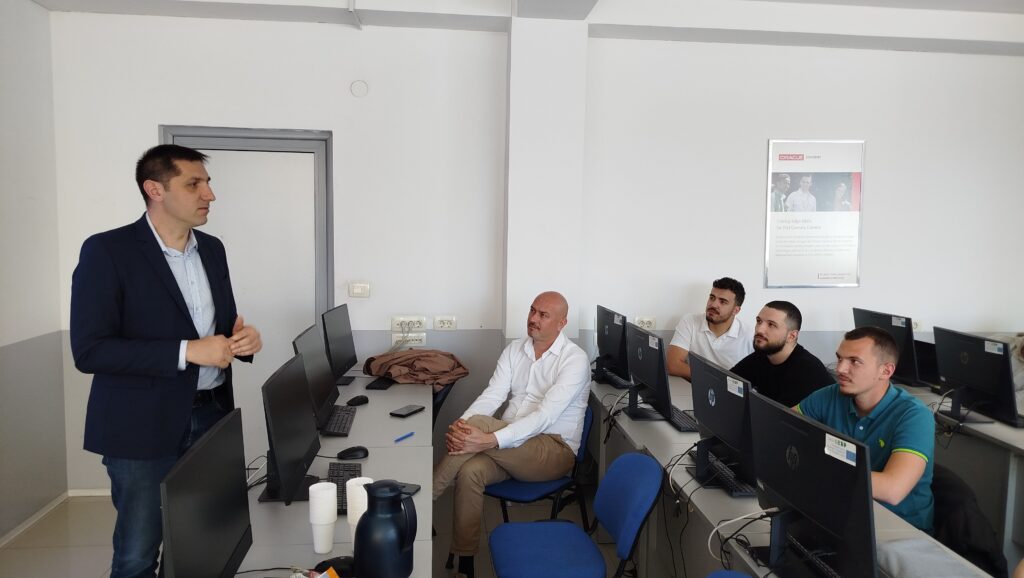
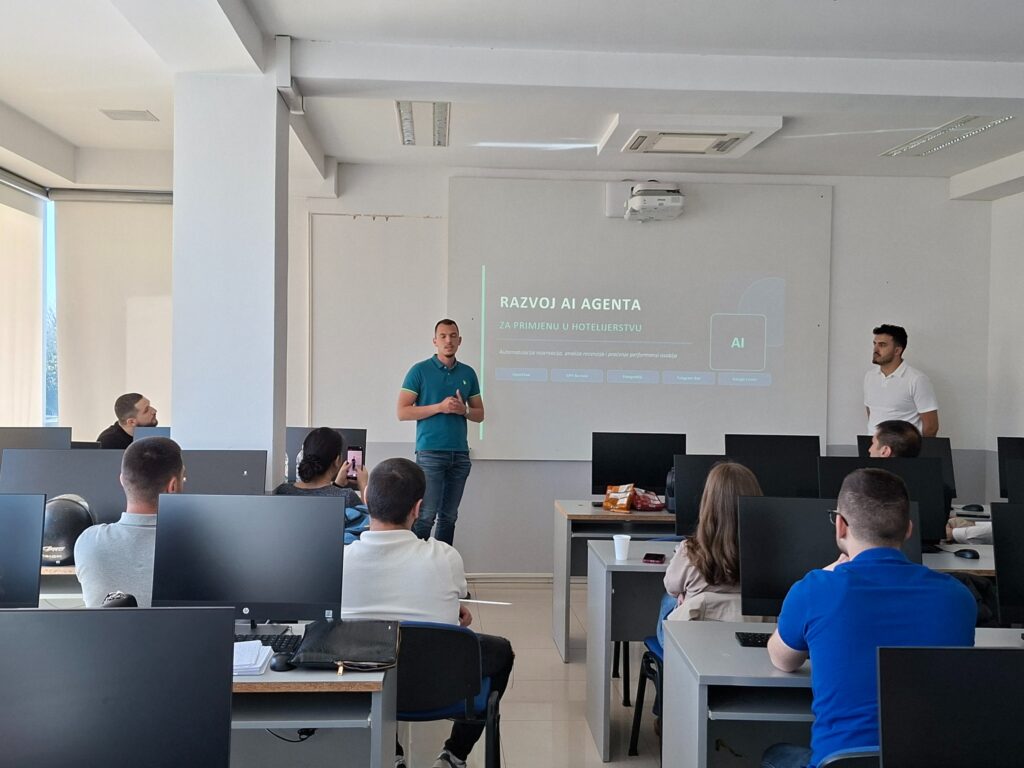
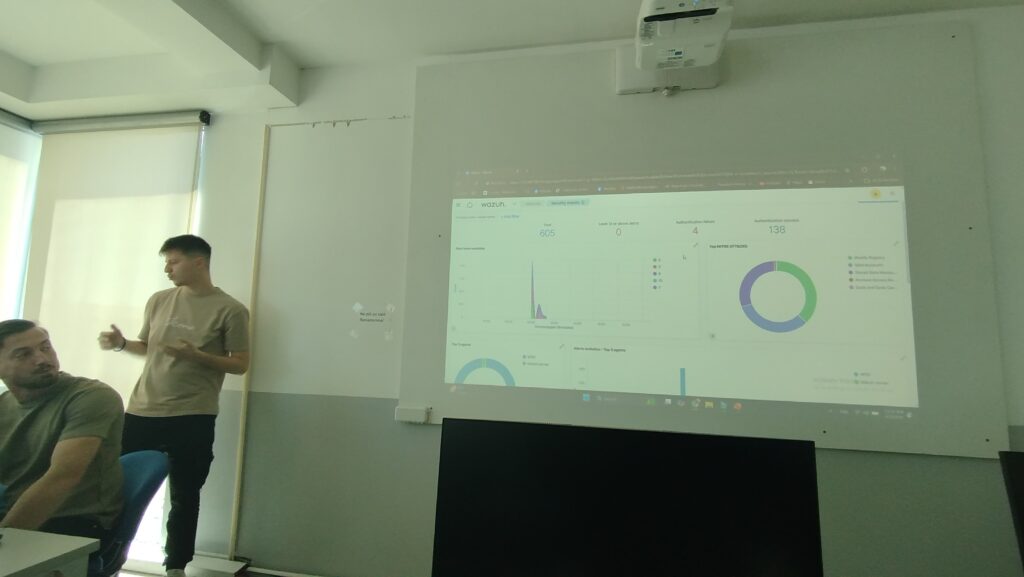
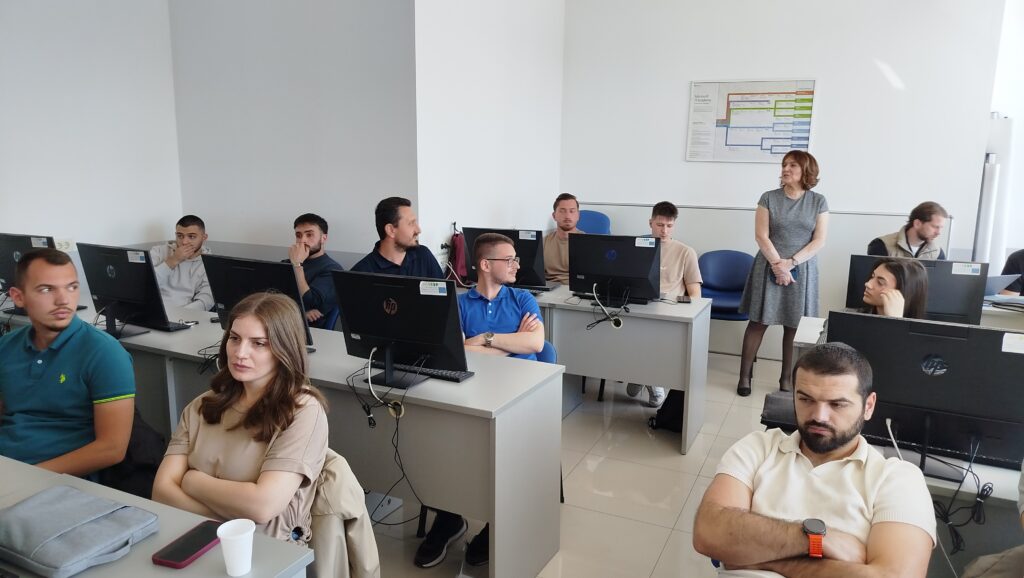
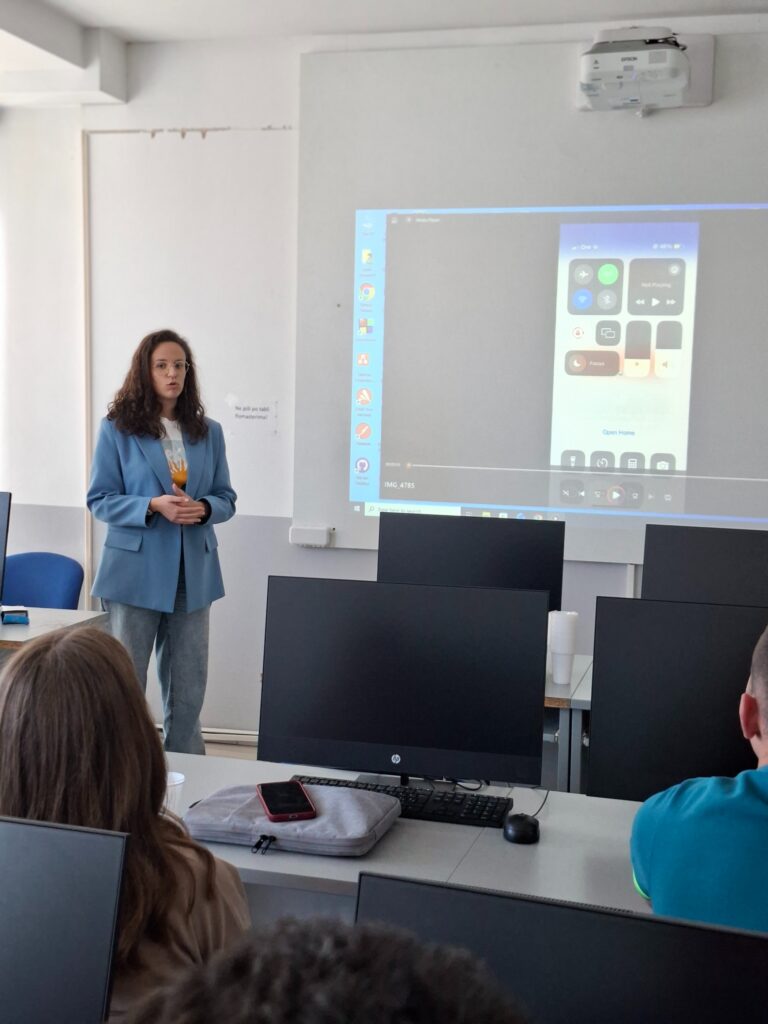
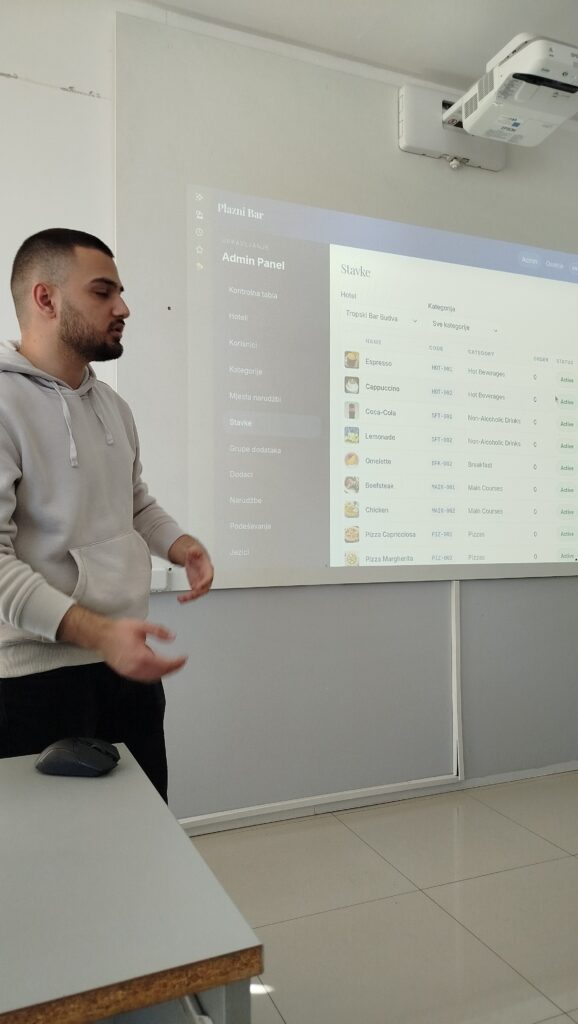
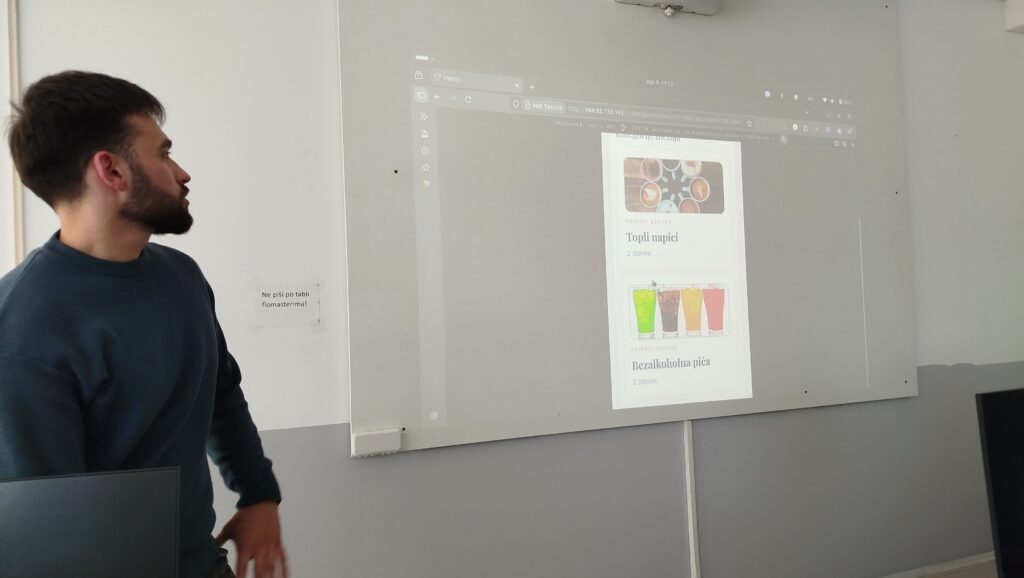
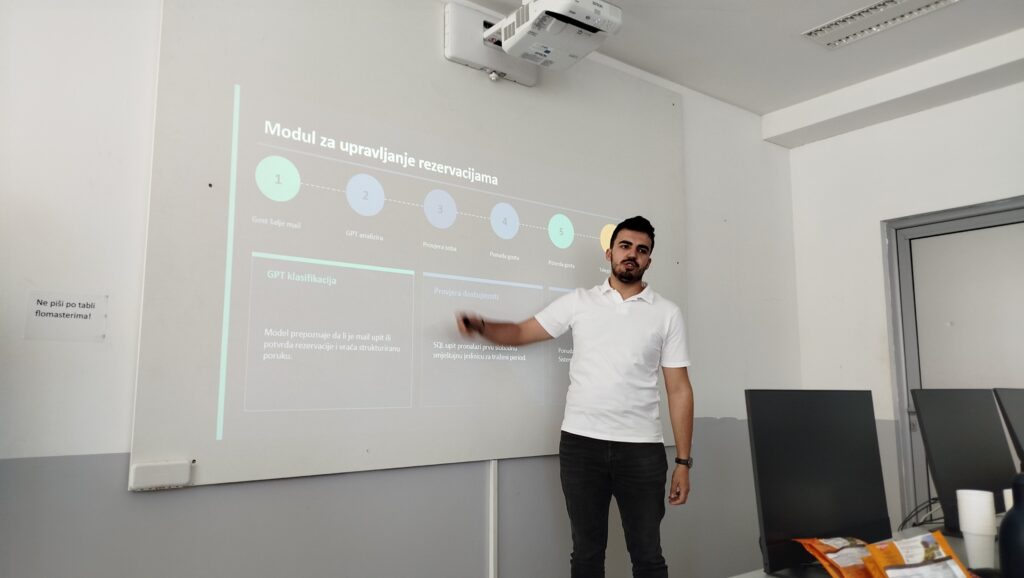
The final event of the program – a public presentation of student projects was held on Thursday, 9 April 2026, at the Faculty of Information Technology. The event brought together professors, students, and mentors from ICT companies. Students presented their applications, analyses, and prototypes, while mentors provided recommendations for further development and professional growth.
This event confirmed that the HMI2Market approach delivers concrete results: students develop innovative ideas, adopt an entrepreneurial mindset, and become ready to actively contribute to the digital transformation of Montenegro and the wider European innovation ecosystem.
Student projects developed through the program:
- BudgetFlow – personal finance tracking application
- BlogFeed – social blogging platform
- TrackRig – equipment and resource tracking system
- AI Agent for Hospitality – intelligent assistant for hotel operations
- BeachBar – digital beach‑bar service platform
- Wazuh SIEM – implementation of Wazuh as a SIEM solution
- Cyber‑attack Modelling in Eramba Community
- FiscalizationME – billing fiscalization system
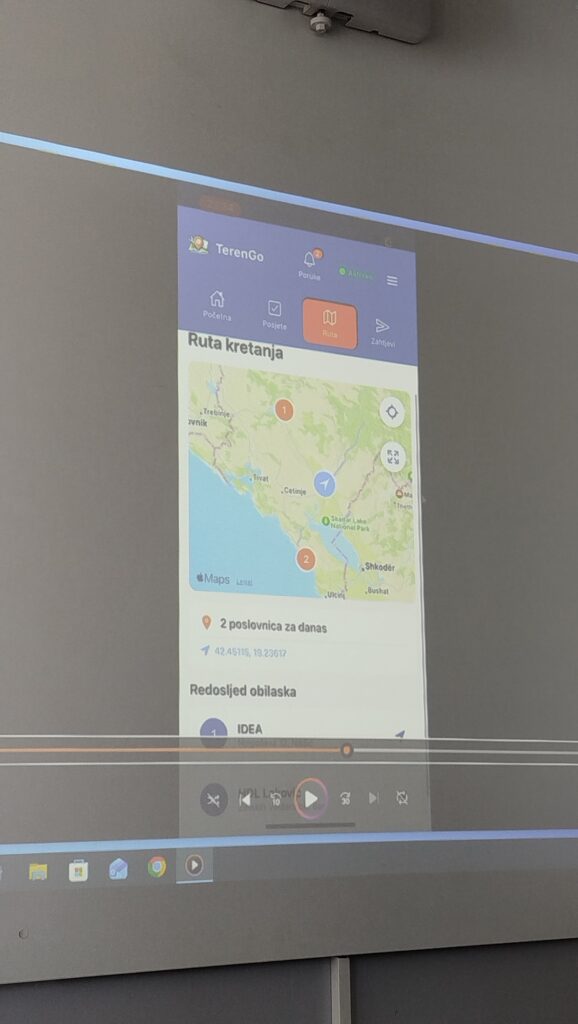
- TerenGo – field‑sales planning application
- Digital Business Card
- Chrome Plugin for Error Detection